
Frozen Yogurt: America vs. Korea
Jessica Lee
To me, frozen yogurt has always felt like a tiny celebration in a cup. It brings me back childhood memories of post-dinner excursions with my family, late-night drives and debriefs with friends, and those necessary stops after long shopping trips when my feet were aching but a cup of froyo somehow magically fixed my mood. Honestly, the excitement has never been about the yogurt alone—it’s the ritual of piling on toppings based on pure impulse, mixing flavors that should absolutely not be mixed, and convincing myself it’s “healthy” because it’s slightly tart (yes, I will defend that logic with my whole chest).
And now in 2025, the early-2010s froyo craze of my childhood seems to be plotting a comeback. New shops are popping up with quirky toppings, curated themes, and endless spins on that refreshing yogurt base. Since I split most of my time between New York City and Seoul—two cities that take food trends very seriously—I decided to see how each one shapes the recent frozen-yogurt experience, from flavors to atmosphere to how people actually consume it.
New York City: Mimi’s
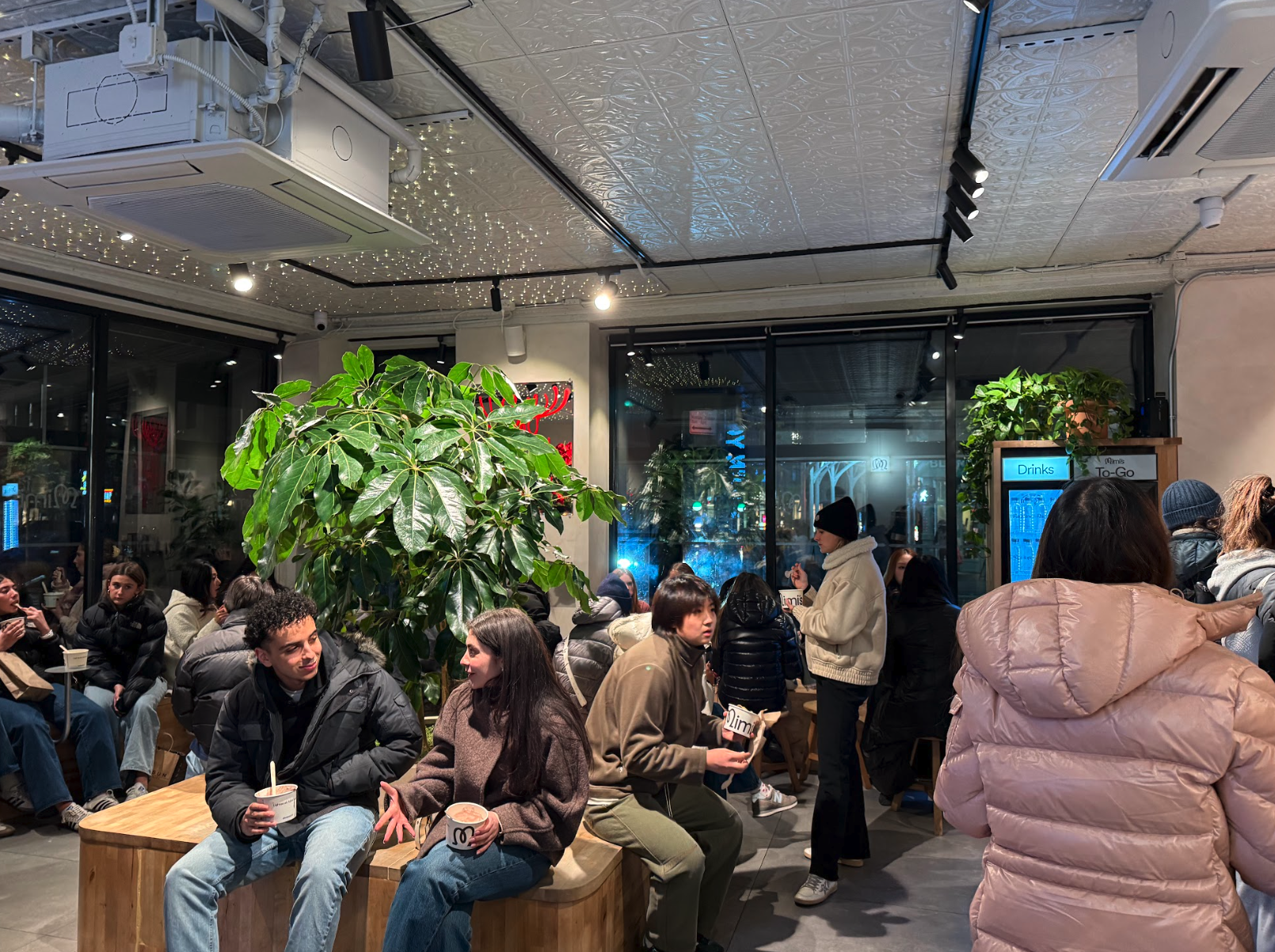
When Mimi’s opened this past August, it practically announced itself to the entire block. A DJ spinning outside, a staff member handing out cold bottled water to customers waiting in line, and another one greeting them at the door—the whole setup felt like a cross between a street festival and a dessert shop. The crowd skewed towards young adults, the music was loud, and the energy was contagious; it was practically impossible not to get excited about Mimi’s launch.
Interior
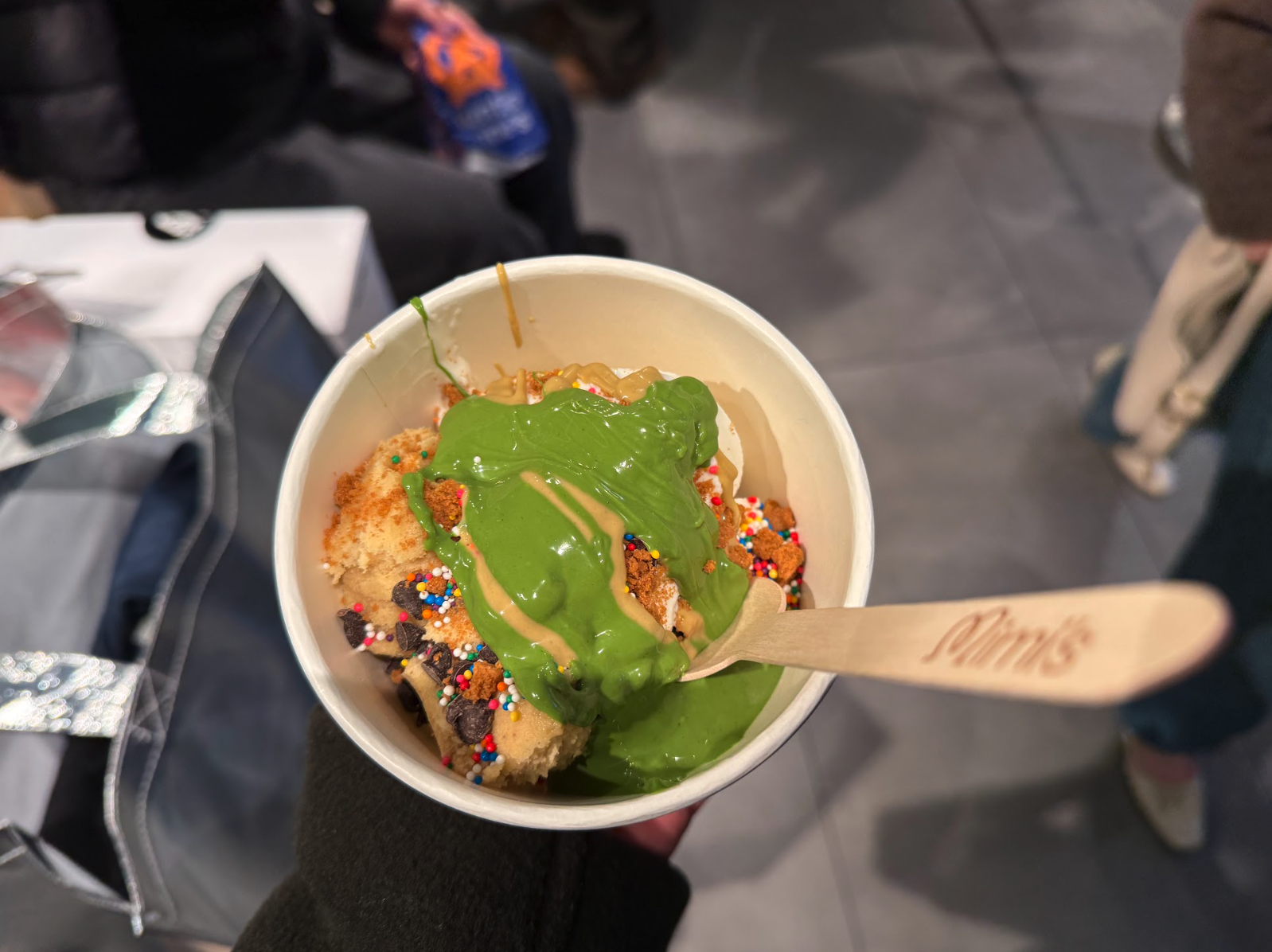
Inside, the froyo flavors were classic in the best way: classic tart, matcha, raspberry, chocolate, and a few others. I sampled a few, but inevitably ended up staying loyal to the classic tart. The yogurt was very soft and smooth, the kind of texture that makes you accidentally finish it faster than you meant to. It was sweet, refreshing, and tangy, but never reached the point of being sour. You can determine the quality of a froyo shop based on how well it does the original flavor, and Mimi’s definitely passed this test with flying colors.
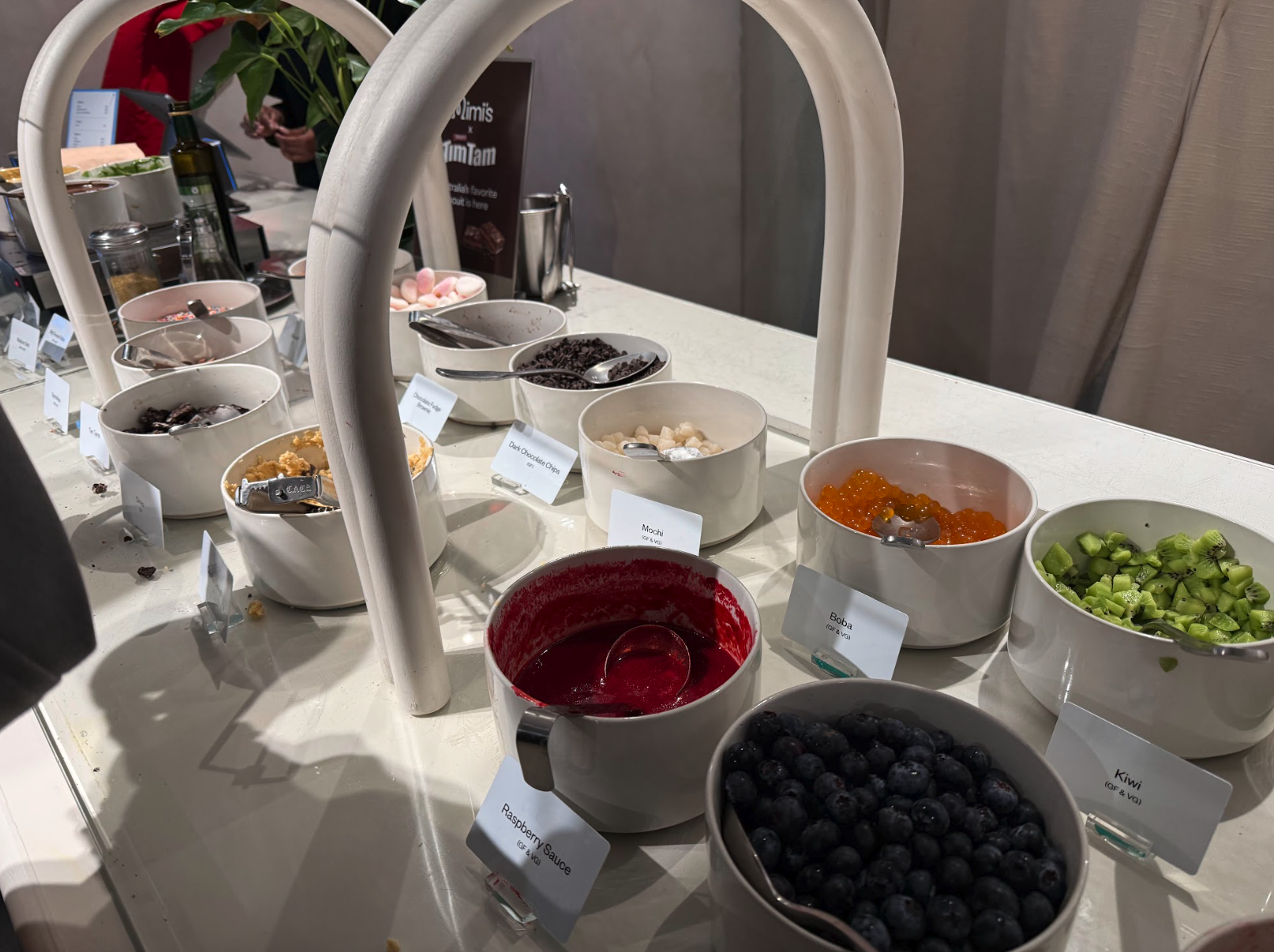
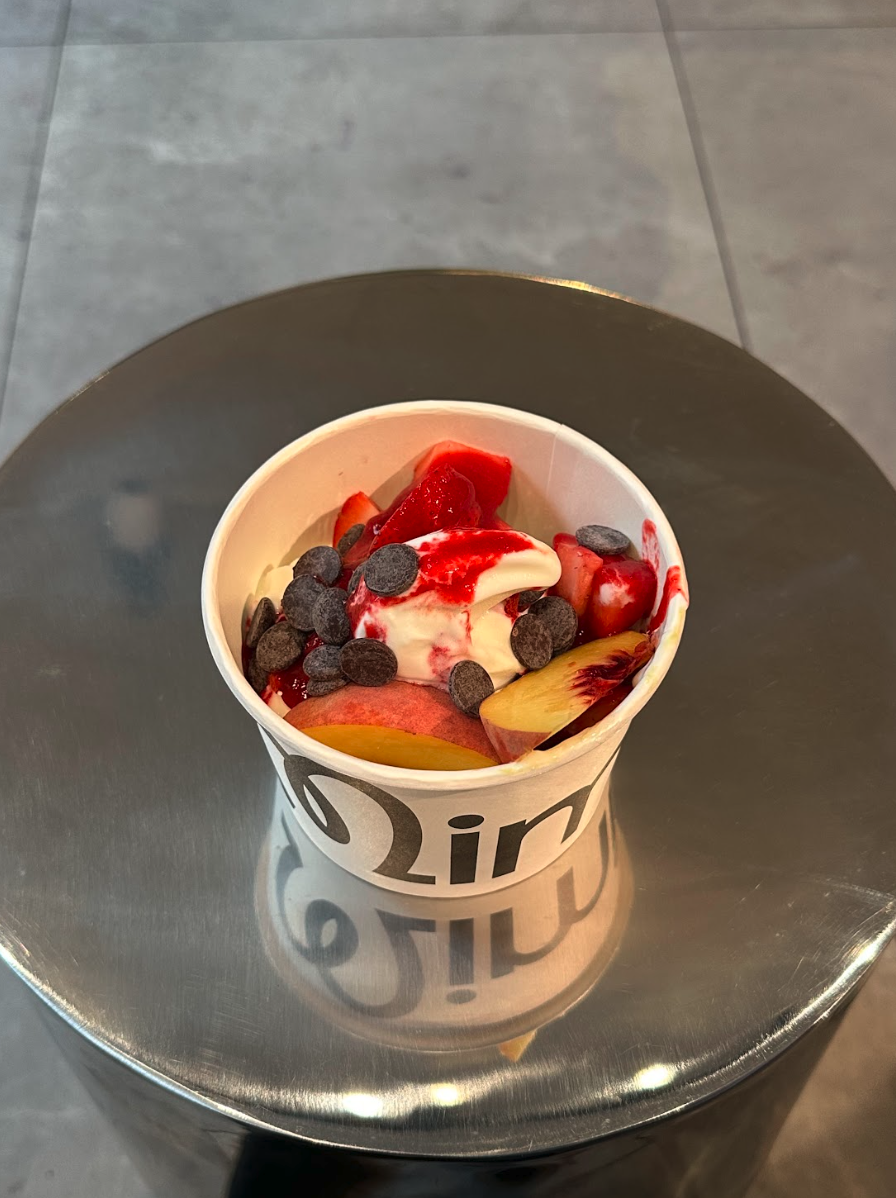
The toppings bar was smaller than the buffets of the past, but each item looked ridiculously fresh. The fruit especially stood out—the peaches, strawberries, and kiwi looked as if they were cut only a few minutes before I walked in, and were suspiciously photogenic. If you've ever seen the sad, watery fruit at the older froyo chains, you’ll understand my shock. The counter was a little messy (the price of self-serve freedom), but the toppings were worth it: candy, popping boba, brownie pieces, granola, pistachio and Nutella drizzles, raspberry puree, and more. I built a cup with chocolate chips, peach slices, and raspberry puree. I especially appreciated the various drizzle options that many older yogurt shops usually skip. I heard they switch out toppings every week, which makes it more than easy for me to want to come back with the same excitement as the first time.
Toppings bar
Seating was limited, but the store’s upbeat vibe made standing feel like part of the experience. Staff even took Polaroids of customers and hung them on the wall, turning the space into a cheerful community board. Prices were slightly higher than I expected, but at that point, I was too happy to care.
If you grew up eating frozen yogurt, Mimi’s is barely anything like the childhood frozen yogurt shops you remember, with their neon lights and kids darting between tables. Mimi’s feels like a grown-up version of your childhood memories—nostalgic but fresher, cooler, and genuinely exciting. Definitely worth the hype.
Mimi’s froyo
Seoul: Yoajung
Korea doesn’t have the same deep-rooted froyo nostalgia that the U.S. does, but with mukbang culture, an obsession with freshness, and a thriving food delivery system, Yoajung has quickly become a hit. It reflects the Korean approach to dessert: simple, efficient, meticulous, and thoughtfully perfect.
Walking into Yoajung felt like stepping into a different universe from Mimi’s. Even in busy Apgujeong, the store was peaceful and tidy. It’s not the kind of place you linger—it's a quick-stop, grab-and-go vibe. Instead of the American “serve yourself and pray you didn’t overfill your cup,” Yoajung offers preset sizes and curated topping combinations (with the option to customize). Everything felt deliberate and structured.
Korea keeps it ultra simple in the flavor department: one option, the classic tart. But the toppings? An absolutely wild selection, even though none of it is displayed out front. Shine muscat grapes, fresh honeycomb, Dubai chocolate kadayif spread, cheese cubes, condensed milk, mint-chocolate hard shell drizzle—the list felt endless and included everything you could ever imagine.
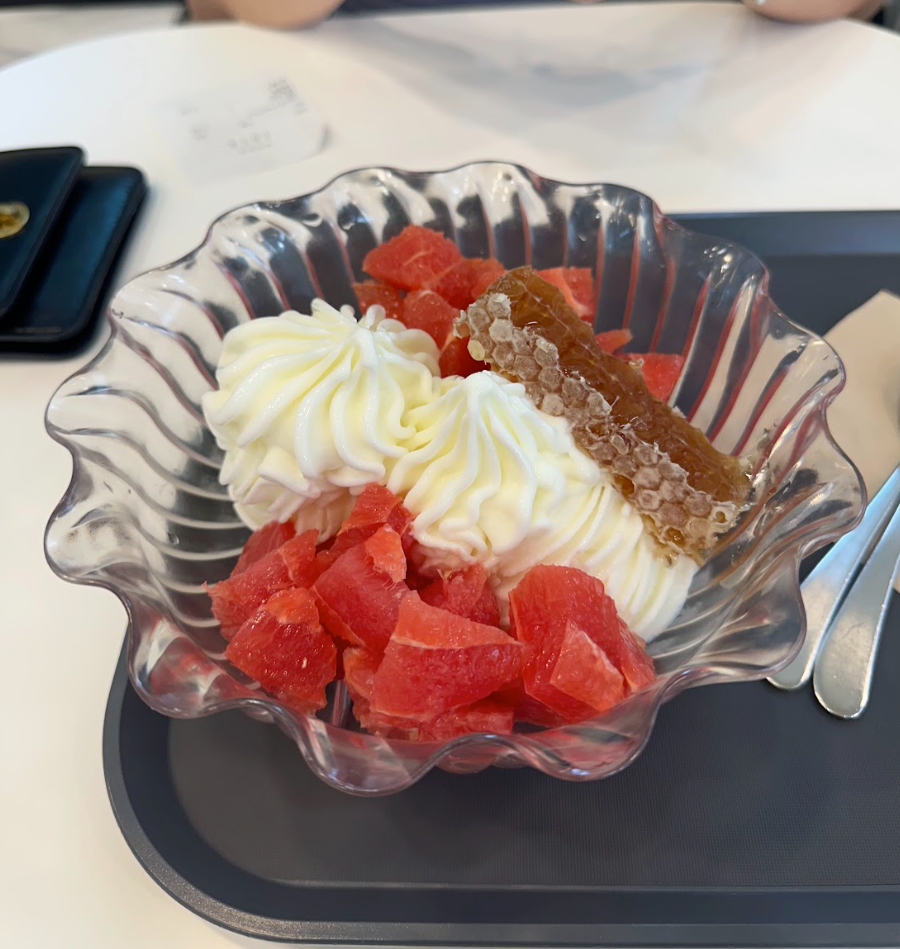
I tried the popular grapefruit + honeycomb combo. The honeycomb slowly softened in the yogurt, turning into this chewy-crunchy texture I’d never experienced in American froyo (so unfamiliar yet so good). The grapefruit was perfectly ripe, cleanly cut, and almost too pretty to eat. The yogurt itself was lighter than the creamy American versions; it crumbled softly rather than stretching. The flavor stayed true to the classic tart profile: clean, refreshing, never overly sweet or sour.
Yoajung froyo
The cultural difference was immediately obvious when I saw how empty the store was, even on a busy weekend. In the U.S., froyo is a social outing; the fun comes from choosing toppings, filling your cup, and hanging out with friends. In Korea, frozen yogurt is more of a delivery food. Most people order it to their homes, so delivery drivers were coming in and out of the shop the entire time I was there. It fits perfectly into a culture that prioritizes speed and convenience.
My overall thoughts:
Mimi’s in New York and Yoajung in Korea, though they both sell frozen yogurt, exist in very different worlds, highlighting NYC’s experience-based froyo culture and Korea’s convenience and high-quality freshness culture.
Having grown up in America, I still prefer the fun and energy of Mimi’s, but when it comes to pure quality, Korea’s freshness is hard to beat and something I know I can depend on every time.
Mimi’s froyo